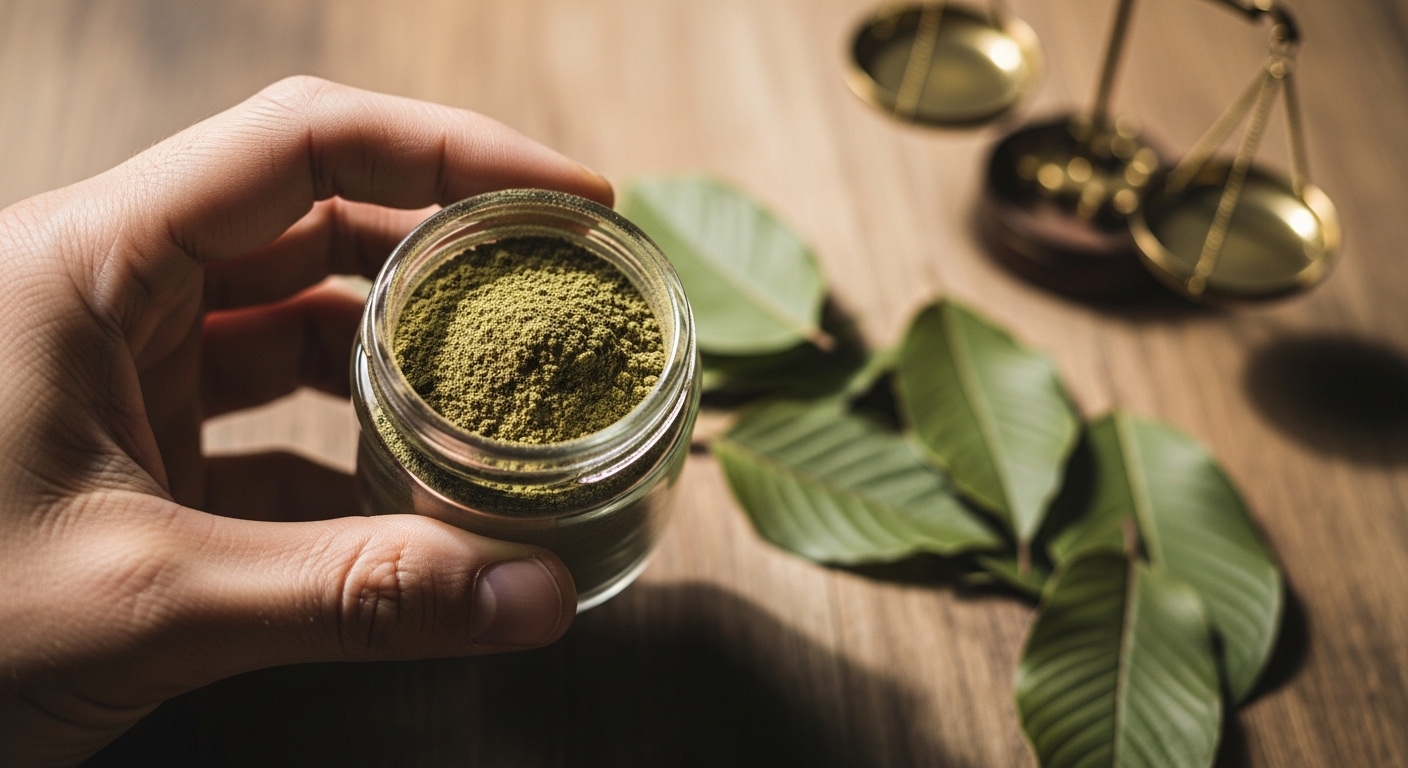
most people buy kratom without understanding the difference between strains and types. They pick something based on a flashy label or a friend’s recommendation, and then wonder why the results aren’t what they expected.
Look, choosing the right kratom isn’t about luck. It’s about understanding what you’re actually buying.
And when you’re comparing kratom brands, this knowledge becomes even more critical. Because not all brands label their products the same way, and some use these terms interchangeably to confuse you.
Let me break this down so you can make smarter decisions.
The Truth About Kratom “Strains” (Spoiler: It’s Complicated)
Here’s what most people don’t know: the term “strain” in kratom is misleading.
In cannabis, strains represent genetically distinct plants. But kratom? It all comes from the same tree species: Mitragyna speciosa.
So when you see different “strain” names, you’re not looking at different genetic varieties. You’re looking at variations based on:
- Vein color (red, green, white)
- Geographic origin (Bali, Malay, Thai)
- Processing methods (drying techniques, fermentation)
- Marketing decisions (yes, some names are just branding)
The kratom industry uses “strain” as shorthand for these variations. And while it’s not scientifically accurate, it’s the language everyone uses.
But wait, there’s more to this story.
Kratom Types: The Three Colors That Actually Matter
If you want to understand kratom, forget the fancy names for a minute.
Focus on the vein colors. This is where the real differences show up.
Red Vein Kratom
Red vein is the most popular type, and for good reason.
The leaves are harvested at full maturity, when the veins have turned red. The drying process typically involves more sunlight or UV exposure, which changes the alkaloid profile.
What people report:
- More sedating effects
- Better for evening use
- Popular among those seeking relaxation
When you’re comparing kratom vendors, pay attention to how they process their red vein products. Some brands over-dry their leaves, which can diminish potency.
Green Vein Kratom
Think of green vein as the middle ground.
These leaves are harvested before full maturity. The drying process is usually shorter and done indoors or in shade.
What people report:
- Balanced effects
- Suitable for daytime use
- More subtle than red or white
Green vein is often the best starting point if you’re new to kratom. It’s forgiving, and most kratom brands keep their green vein products well-stocked because of consistent demand.
White Vein Kratom
White vein comes from the youngest leaves or uses specific drying techniques.
Some producers don’t actually use younger leaves. They just dry the leaves differently to preserve certain alkaloids.
What people report:
- More energizing
- Better for morning use
- Can be too stimulating for some people
Here’s the thing about white vein: quality varies wildly between kratom brands. Some white vein products are incredibly potent, while others feel barely different from green.
Geographic Names: Marketing or Meaningful?
Now let’s talk about those location-based names.
Bali. Malay. Thai. Borneo. Indo.
Do these actually mean the kratom comes from those places?
Sometimes yes. Sometimes no.
The Reality of Geographic Labels
Most kratom comes from Indonesia. That “Thai” kratom? Probably Indonesian. That “Malay” blend? Also likely Indonesian.
Thailand banned kratom production for decades (only recently changing their laws). Malaysia has strict regulations. So the vast majority of commercial kratom originates in Indonesian regions like:
- Kalimantan (Indonesian Borneo)
- Sumatra
- Java
Reputable kratom brands will tell you the actual origin. Sketchy ones use geographic names purely for marketing.
What Geographic Names Sometimes Indicate
When used honestly, these names can reference:
- Traditional growing regions within Indonesia
- Specific farming practices associated with certain areas
- Leaf characteristics that match historical regional profiles
But you need to verify this with your supplier. Don’t just trust the label.
Specialty Names: Maeng Da, Bentuangie, and Other Terms
Then there are the special names that sound exotic and premium.
Maeng Da
“Maeng Da” translates roughly to “pimp grade” in Thai slang.
It’s supposed to indicate a premium, potent product. But here’s the truth: there’s no official standard for what makes kratom “Maeng Da.”
Some kratom brands use it to label their highest-quality batches. Others slap it on average products to charge more.
When comparing kratom brands, ask for lab tests on their Maeng Da products. Alkaloid content should be noticeably higher if they’re charging a premium.
Bentuangie
This refers to a fermentation process, not a strain or location.
Leaves are placed in bags and allowed to ferment before drying. This changes the alkaloid profile and creates a darker color.
What people report:
- Effects similar to red vein but more sedating
- Unique alkaloid balance
- Not for beginners
Horn and Elephant
These names supposedly refer to leaf shape.
Horn kratom comes from leaves with pointed, horn-like edges. Elephant kratom uses larger leaves.
Do these shapes actually create different effects? The evidence is thin. But some users swear by them.
Most kratom brands charge more for these specialty types. Whether that premium is justified depends on the brand’s sourcing and processing.
What Actually Determines Kratom Quality
Forget the fancy names for a second.
Here’s what really matters when you’re evaluating kratom brands:
Alkaloid Content
Kratom’s effects come from alkaloids, primarily mitragynine and 7-hydroxymitragynine.
Quality kratom should have:
- Mitragynine: 1-2% or higher
- 7-hydroxymitragynine: 0.01-0.05%
Reputable kratom brands provide lab tests showing these levels. If a brand won’t share lab results, walk away.
Freshness
Kratom degrades over time.
Old kratom loses potency. The leaves turn darker, and the alkaloid content drops.
Look for kratom brands that:
- Provide harvest dates or batch numbers
- Store products properly (cool, dry, sealed)
- Move inventory quickly
Processing Methods
How kratom is dried and processed matters enormously.
Sun-dried kratom tends to be more oxidized, creating a different alkaloid profile than shade-dried or indoor-dried products.
Fermented kratom (like Bentuangie) undergoes additional chemical changes.
The best kratom brands are transparent about their processing methods. They don’t hide behind vague marketing terms.
Contamination Testing
This is non-negotiable.
Kratom can be contaminated with:
- Heavy metals (lead, arsenic)
- Microbial pathogens (salmonella, E. coli)
- Pesticides
Quality kratom brands test every batch for contaminants. They publish certificates of analysis (COAs) that you can verify.
The Bottom Line on Strains vs Types
Here’s what you need to remember:
Vein color (red, green, white) is the most important distinction. This actually affects the alkaloid profile and reported effects.
Geographic names are often marketing, but can indicate real sourcing differences with reputable brands.
Specialty names (Maeng Da, Bentuangie, etc.) sometimes reflect processing methods, but often just justify higher prices.
Brand quality matters more than strain names. Lab testing, transparency, and consistency separate good kratom brands from bad ones.
Look, buying kratom doesn’t have to be confusing.
Once you understand that “strains” are really just combinations of vein color, origin, and processing, the whole market becomes clearer.
Frequently Asked Questions
What’s the difference between kratom strains and types?
Types refer to vein colors (red, green, white) which represent different maturity levels and processing methods. Strains are marketing terms that combine vein color with geographic names or specialty processing. Types are based on real differences; strain names are often just branding.
Are expensive kratom strains worth the premium price?
Not always. Some premium strains like Maeng Da have higher alkaloid content that justifies the cost, but only if the brand provides lab testing to prove it. Many expensive strains are just regular kratom with fancy names. Always demand lab results before paying premium prices.
How do I know if a kratom brand is selling authentic regional strains?
Ask for sourcing documentation and farm partnerships. Legitimate brands that sell authentic Malay or Borneo kratom can provide evidence of their supply chain. Most commercial kratom comes from Indonesia regardless of the name, so geographic labels are often marketing unless the brand proves otherwise.