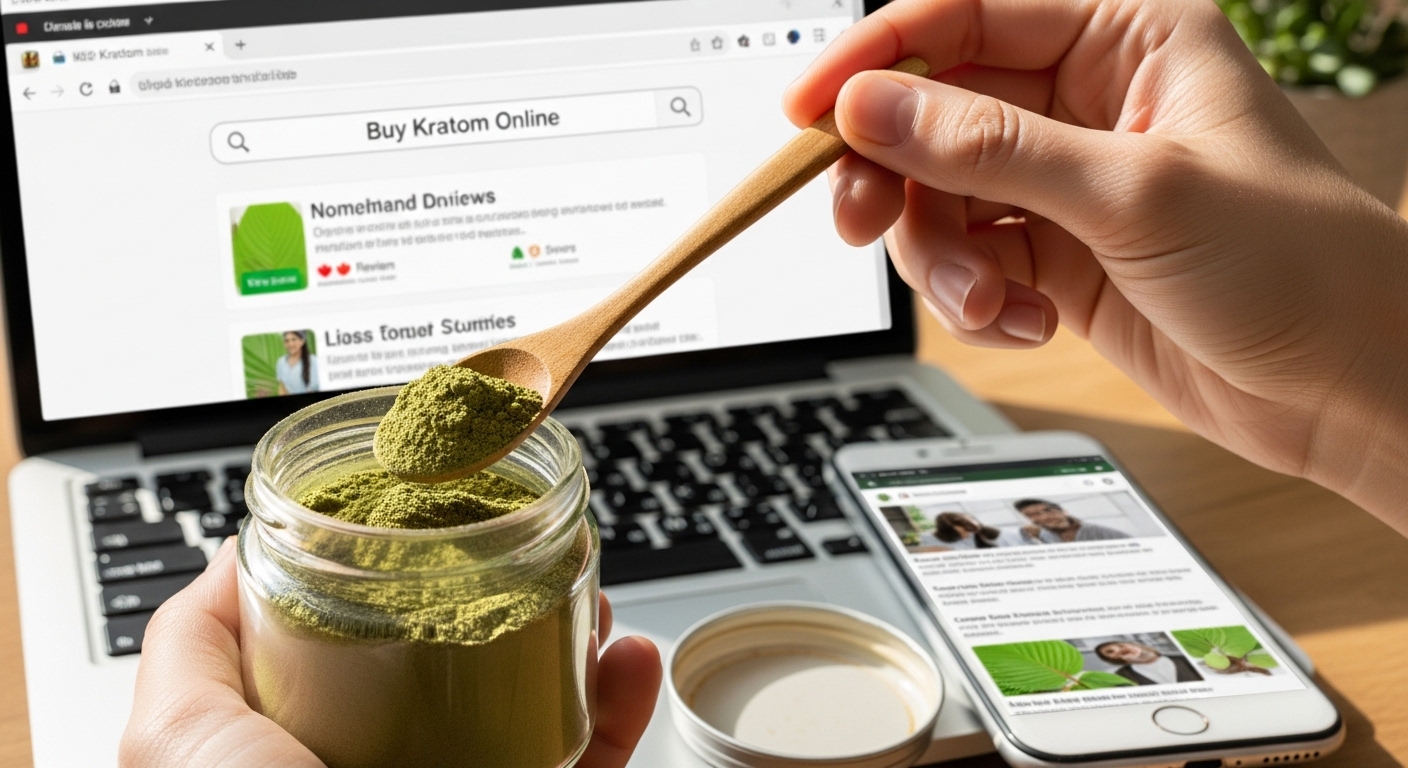
Here’s the truth about buying kratom online:
Most people get it wrong the first time.
You search “best kratom brands,” click on the first website that looks professional, place an order, and wait. Then your package arrives, and the product is either weak, contaminated, or nothing like what was advertised.
Sound familiar?
Look, buying kratom isn’t like ordering a book from Amazon. There are no universal quality standards, no FDA approval stamps, and way too many vendors selling subpar products at premium prices.
But here’s the good news: Once you know what to look for, finding reliable kratom brands becomes surprisingly simple. You just need to focus on five critical factors that separate legitimate vendors from the scammers.
- The exact red flags that signal a fraudulent kratom vendor
- How to verify third-party lab testing results (and why most vendors fake them)
- The pricing sweet spot that indicates quality without overpaying
- Which kratom strains actually deliver results versus marketing hype
- The customer service tests that reveal vendor reliability
Why Most People Buy From the Wrong Kratom Brands
The kratom market is exploding.
More vendors pop up every month, and most of them are middlemen who don’t even know where their product comes from. They buy bulk kratom from questionable sources, slap a fancy label on it, and mark up the price by 300%.
The result? You’re gambling with your money and your health.
But it gets worse. Some vendors cut their kratom with fillers or sell old, oxidized powder that lost its potency months ago. Others make wild claims about effects that no kratom product can legally deliver.
So how do you avoid these traps?
The Five Non-Negotiables When Choosing Kratom Brands
1. Third-Party Lab Testing (And How to Verify It’s Real)
This is the single most important factor.
Any kratom brand worth your money tests every batch for contaminants, heavy metals, and alkaloid content. But here’s the catch: posting a generic “lab tested” badge on their website means nothing.
What you need to see:
- Batch-specific results: Each product should have a unique batch number that matches a corresponding lab report
- Current testing dates: Lab reports from two years ago don’t count
- Accredited laboratories: Look for testing from ISO-certified labs, not the vendor’s “in-house” facility
- Complete panels: Testing should cover heavy metals, pathogens, pesticides, and alkaloid percentages
Want to know if a vendor is faking their lab results? Email them and ask for the lab report for the specific batch number on your product. If they can’t provide it within 24 hours, that’s your answer.
2. Transparent Sourcing Information
Reputable kratom sellers tell you exactly where their product comes from.
The best kratom comes from Southeast Asia, specifically Indonesia, Malaysia, and Thailand. But not all kratom from these regions is equal.
Questions to ask:
- Which specific region in Indonesia does this come from?
- Do you work directly with farmers or through distributors?
- How long has your supply chain been established?
- What quality control happens at the source?
If a vendor gives vague answers like “premium Indonesian kratom” without specifics, they probably don’t know their own supply chain. That’s a red flag.
3. Realistic Pricing (The Sweet Spot)
Here’s what most guides won’t tell you: The cheapest kratom is almost always garbage, but the most expensive isn’t necessarily the best.
Quality kratom powder typically costs between $8-15 per ounce when buying in reasonable quantities. Capsules run slightly higher due to processing costs.
Price warning signs:
- Under $6 per ounce: Likely old stock, contaminated, or cut with fillers
- Over $20 per ounce: You’re paying for marketing, not quality
- “Sale” prices that never end: Artificial pricing to create urgency
The vendors who consistently deliver quality maintain stable, reasonable pricing. They don’t need gimmicks because their product speaks for itself.
4. Customer Service That Actually Responds
This might sound basic, but it’s a critical test.
Before you place your first order, send the vendor a question. It doesn’t have to be complicated. Ask about their return policy or which strain they recommend for beginners.
What you’re testing:
- Response time (should be within 24-48 hours)
- Knowledge level (can they answer specific questions?)
- Professionalism (are they pushy or helpful?)
- Return policy clarity (do they stand behind their product?)
If they can’t be bothered to respond to a pre-sale question, imagine trying to resolve an issue after you’ve paid. Not worth the risk.
5. Honest Strain Information
Let’s be real about kratom strains.
Every vendor claims their Red Bali is “the strongest” or their Green Maeng Da is “premium quality.” But most strain names are marketing terms, not botanical classifications.
What matters more than strain names:
- Vein color (red, green, white) indicates general characteristics
- Freshness of the product
- Alkaloid content verified by lab testing
- Consistent effects across multiple batches
Reliable kratom brands don’t make exaggerated claims. They provide factual information about alkaloid percentages and let the product prove itself.
Red Flags That Scream “Avoid This Vendor”
Sometimes it’s easier to spot what to avoid than what to choose.
Run away if you see:
- Medical claims about curing diseases or treating conditions
- No contact information beyond a web form
- Pressure tactics (“Only 3 left in stock!”)
- No lab testing or fake-looking certificates
- Spelling errors and unprofessional website design
- Payment only through cryptocurrency or wire transfer
- No return policy or impossibly strict conditions
These aren’t minor issues. They’re signs of vendors who either don’t care about quality or are actively trying to scam you.
Understanding the Different Kratom Vendor Categories
Not all kratom brands operate the same way.
Direct importers work straight with Southeast Asian farmers. They typically offer better prices and fresher product but may have limited strain variety.
Specialized kratom retailers focus exclusively on kratom products. They usually have extensive testing, multiple strains, and knowledgeable customer service.
General supplement stores that happen to sell kratom often have inconsistent quality. Kratom isn’t their focus, and it shows.
Local smoke shops are convenient but usually charge premium prices for mediocre quality. They’re not ideal for regular buyers.
Your best bet? Stick with specialized kratom retailers who have established reputations and transparent practices.
What Packaging Tells You About Quality
Professional kratom brands invest in proper packaging.
Look for:
- Resealable, airtight bags or containers
- Clear labeling with strain, weight, and batch number
- Expiration or packaging dates
- Warning labels and usage information
- Professional design (not just a plain bag with a sticker)
Poor packaging isn’t just about aesthetics. Kratom degrades when exposed to air, light, and moisture. If a vendor doesn’t protect their product properly, quality suffers before it even reaches you.
The Customer Review Reality Check
Online reviews help, but you need to read them correctly.
Trustworthy review patterns:
- Mix of positive and negative feedback (nobody’s perfect)
- Specific details about shipping, quality, and effects
- Photos of actual products
- Reviews spanning multiple months or years
- Responses from the vendor addressing concerns
Fake review warning signs:
- Only five-star reviews with generic praise
- All reviews posted within a short timeframe
- Identical phrasing across multiple reviews
- No negative reviews whatsoever
- Reviews that sound like advertisements
Check multiple platforms: the vendor’s site, Reddit forums, independent review sites, and social media. Consistent positive feedback across different sources carries more weight.
Building a Relationship With Your Kratom Vendor
Once you find a reliable kratom brand, stick with them.
Consistent vendors get to know their repeat customers. Many offer loyalty programs, early access to new strains, or bulk discounts for regular buyers.
Benefits of vendor loyalty:
- Consistent product quality you can rely on
- Better customer service for established customers
- Potential discounts and special offers
- First notification when fresh batches arrive
- Easier resolution if issues occur
But don’t confuse loyalty with blind trust. Even established vendors can decline in quality. Continue verifying lab reports and monitoring consistency.
Conclusion: Your Next Steps
Buying kratom from reliable vendors online isn’t complicated once you know what matters.
Focus on third-party lab testing, transparent sourcing, reasonable pricing, responsive customer service, and honest product information. Avoid vendors making medical claims, lacking contact information, or showing other red flags.
Start with small test orders from 2-3 vendors that meet your criteria. Compare results. Choose the one that delivers consistent quality and professional service.
The right kratom brand won’t be the flashiest or the cheapest. It’ll be the one that consistently delivers clean, potent product with transparent practices and reliable service.
So here’s your question: Are you ready to stop gambling with random vendors and start buying kratom the smart way?